
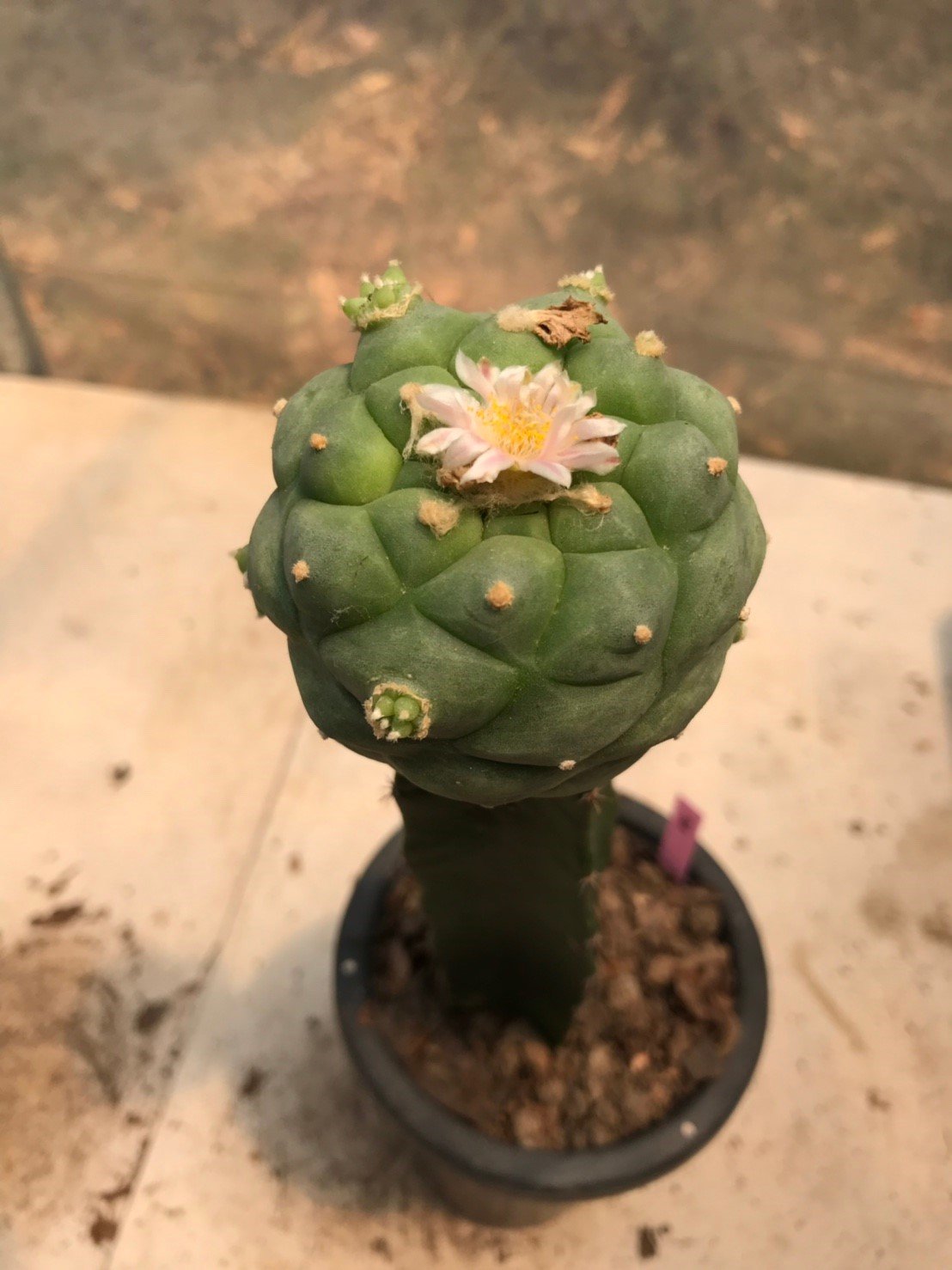
 Desert cacti are remarkable plants that thrive in some of the harshest conditions on Earth. These plants have evolved to withstand scorching temperatures, limited rainfall, and strong sunlight. Their distinctive shapes and textures make them instantly recognizable and widely admired.
One of the most notable features of desert cactus plants is their ability to store water. These stems function as water storage units, helping the plant endure extended dry spells. This feature enables them to thrive in regions where water is rarely available.
Their outer structure plays a vital role in protecting them from the environment. Many cactus species are covered in spines instead of leaves, which help reduce water loss and deter predators. This dual-purpose feature is essential for both hydration and protection.
Cacti display an impressive range of forms and dimensions. Their growth patterns vary widely, from towering forms to small, rounded structures. This range of forms helps them adapt to specific environmental challenges.
Their survival also depends on how effectively they reproduce in harsh environments. They often develop bright, eye-catching flowers that briefly bloom to attract pollinators like bees and birds. They also provide a striking contrast to the otherwise dry and muted surroundings.
Desert cactus plants are also popular in home and garden settings. Their low maintenance requirements make them ideal for people with busy lifestyles. They adapt well to bright environments and do not need frequent watering.
Another advantage of desert cactus plants is their longevity. Many species can live for decades, making them a lasting addition to any collection. This longevity adds to their appeal as both decorative and Related Site collectible plants.
Looking after these plants does not require extensive effort. They require well-draining soil, adequate sunlight, and occasional watering. It is important not to water them excessively, as this can lead to root issues.
Overall, desert cactus plants are a perfect example of natures adaptability and resilience. Their unique features, low maintenance needs, and striking appearance make them highly desirable. Whether growing naturally in deserts or displayed in homes, they remain fascinating and admired.